
Close
1st Dec 2025
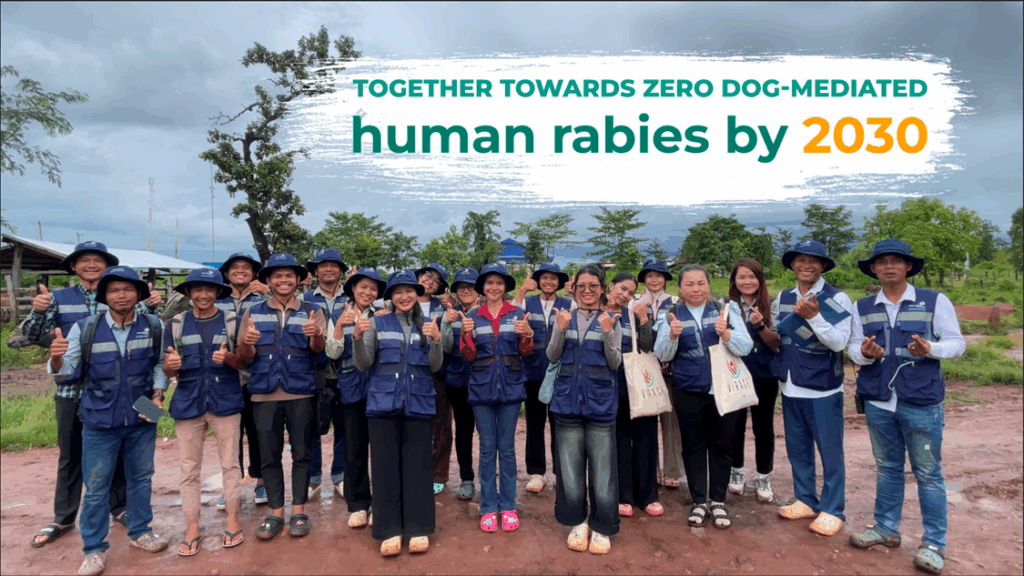
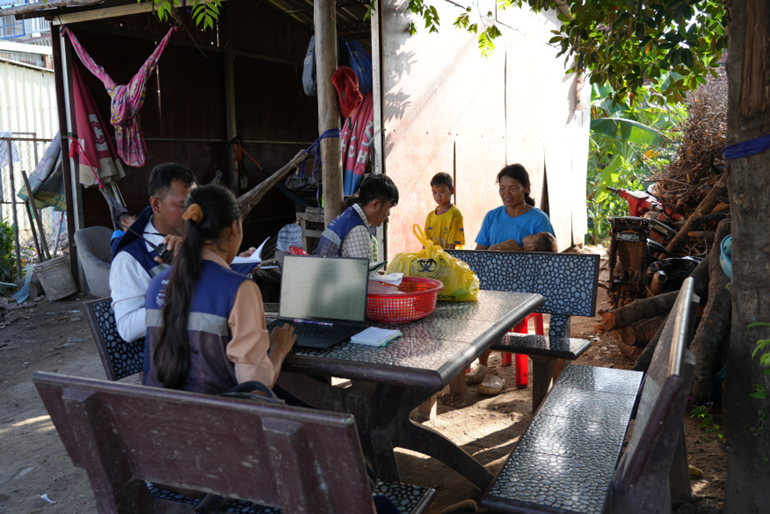
Over the past three months (mid-August to mid-November), the VIRAGE (Integrated Vigilance for Understanding and Strengthening Rabies Prevention in Cambodia) national rabies study successfully completed field data collection across all 25 provinces of Cambodia, reaching 15,507 participants from 4,160 households in 104 randomly selected villages. Supported by the Fonds Équipe France (FEF) of the French Ministry for Europe and Foreign Affairs and the French Embassy in Cambodia, this large-scale work represents a major milestone in building a complete picture of the national rabies burden. The survey was carried out one household at a time, across villages, forest landscape and rice fields advancing step by step towards national evidence for prevention.
Fieldwork often began before sunrise, with teams travelling from Phnom Penh or provincial towns to selected districts.
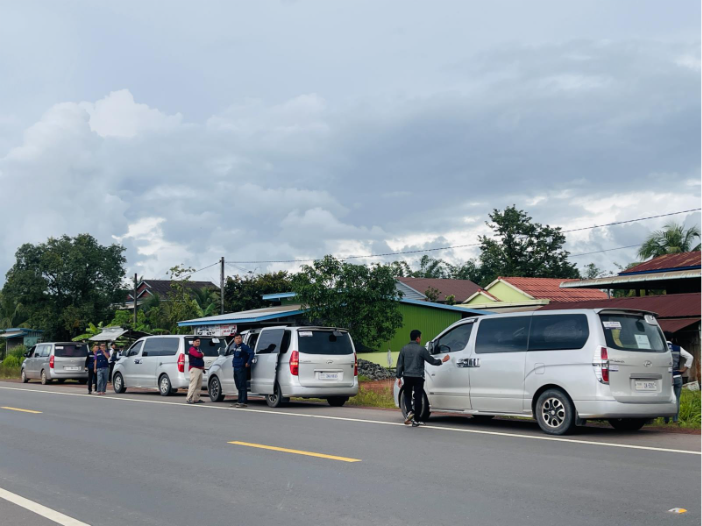
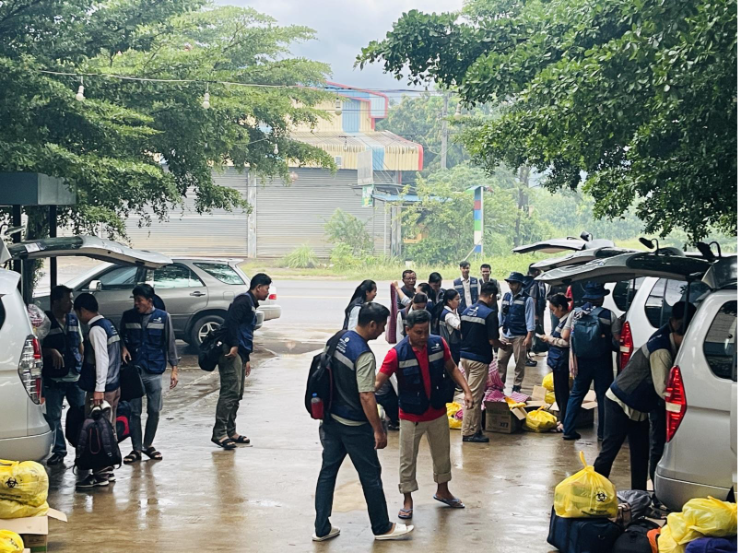
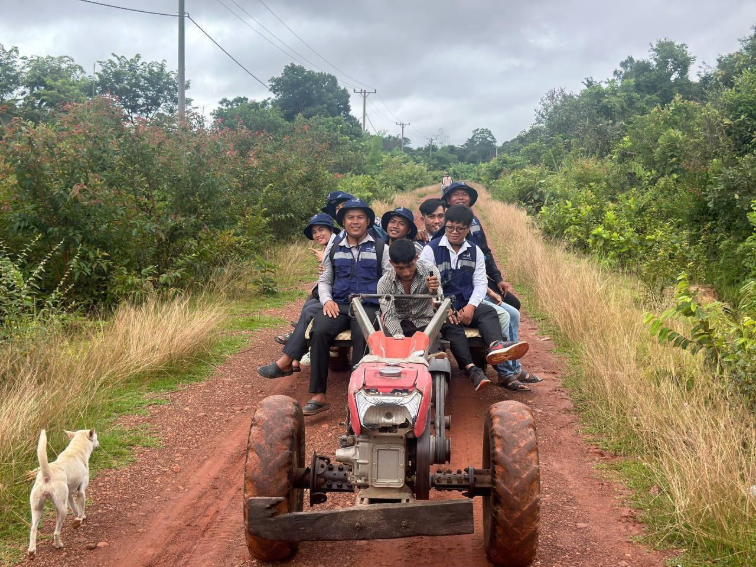
Some routes were paved, others muddy, flooded, or only reachable with community machinery – tractors, quads, improvised transport – depending on the village, making logistics and field mobilisation a daily challenge.
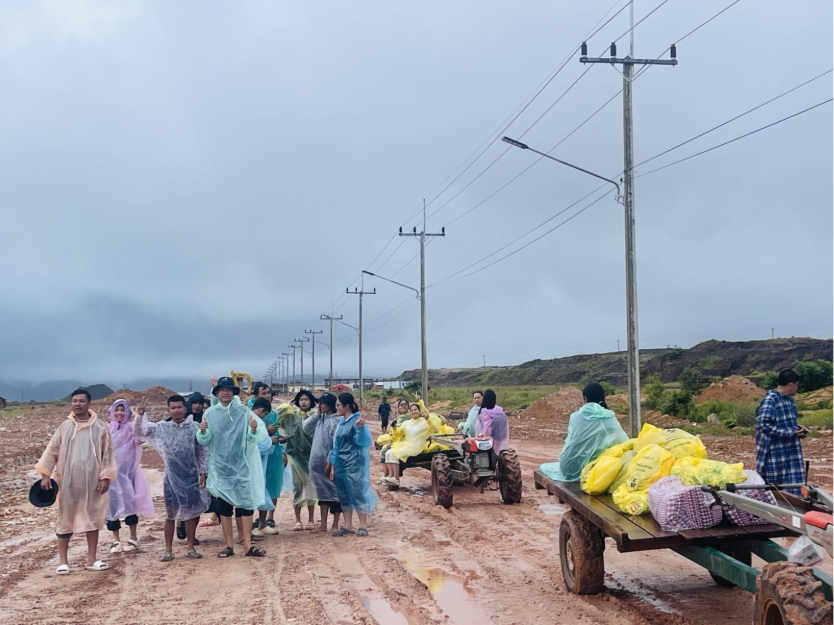
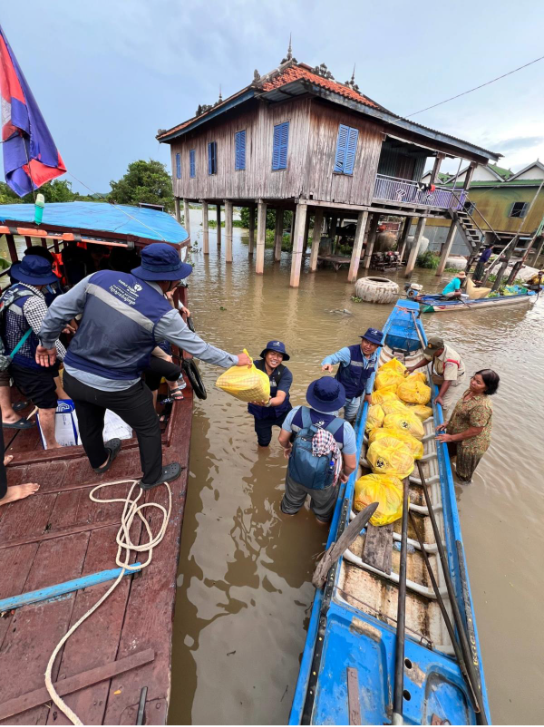
Upon arriving in a village, the team met with local authorities and village leaders to present the study, ensure transparency and answer questions. These exchanges helped build trust and informed participation, particularly in communities unfamiliar with national-scale studies.
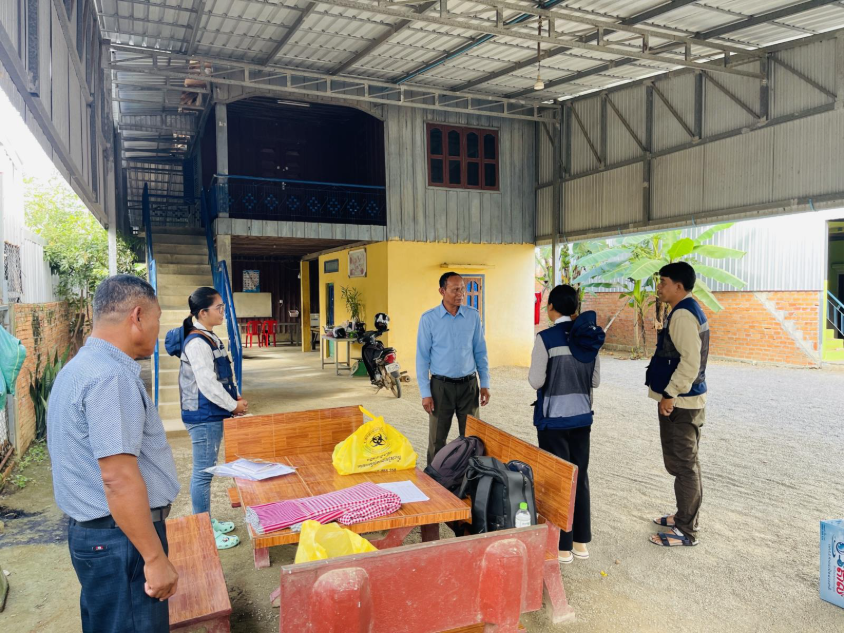
Surveyors visited selected households using a random sampling approach. They collected data on: Number of dogs and cats, bite history and health-seeking behavior, vaccination practices, knowledge and attitudes toward rabies, and challenges in accessing post-exposure prophylaxis (PEP).
Enumerators collected data on dog and cat ownership, bite history, vaccination practices, knowledge and attitudes toward rabies, and challenges in accessing PEP.
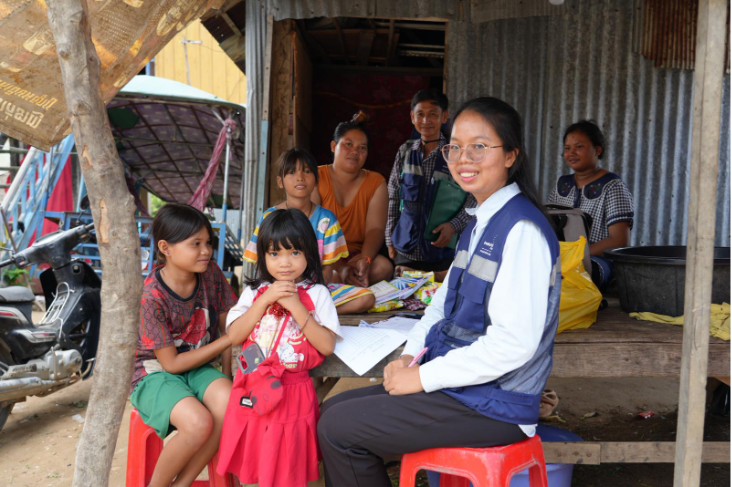
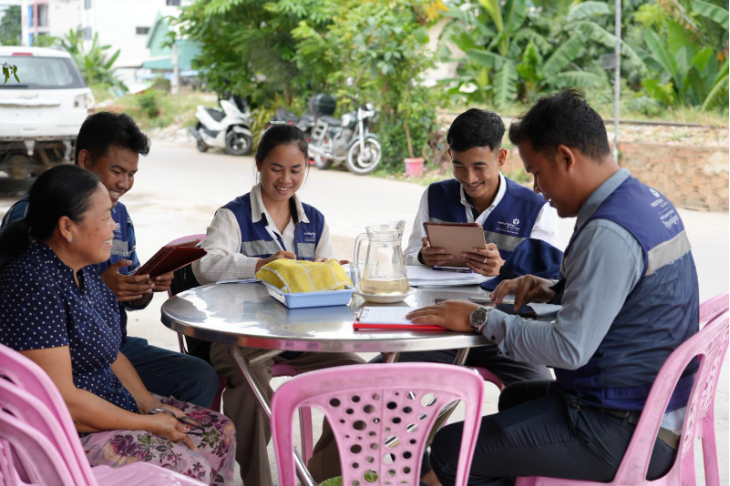
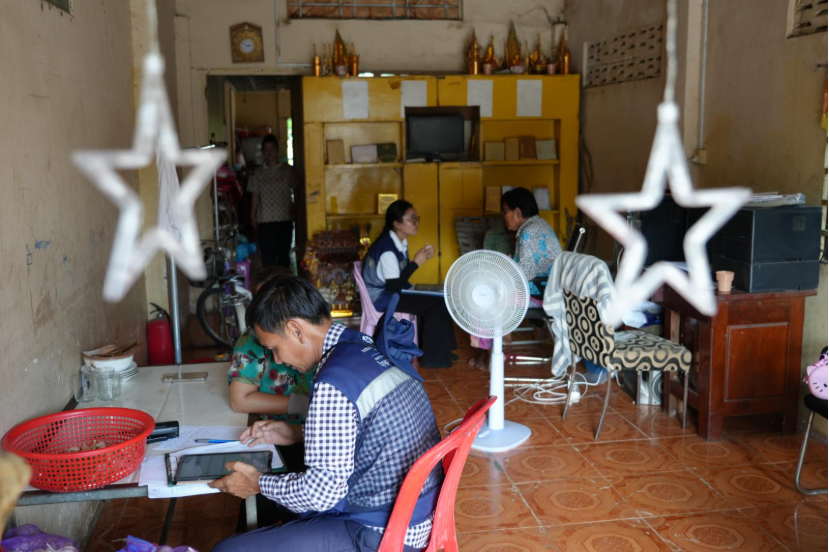
Many households owned both dogs and cats. Their behavior, vaccination history, and roaming patterns provide crucial insights for rabies mapping.
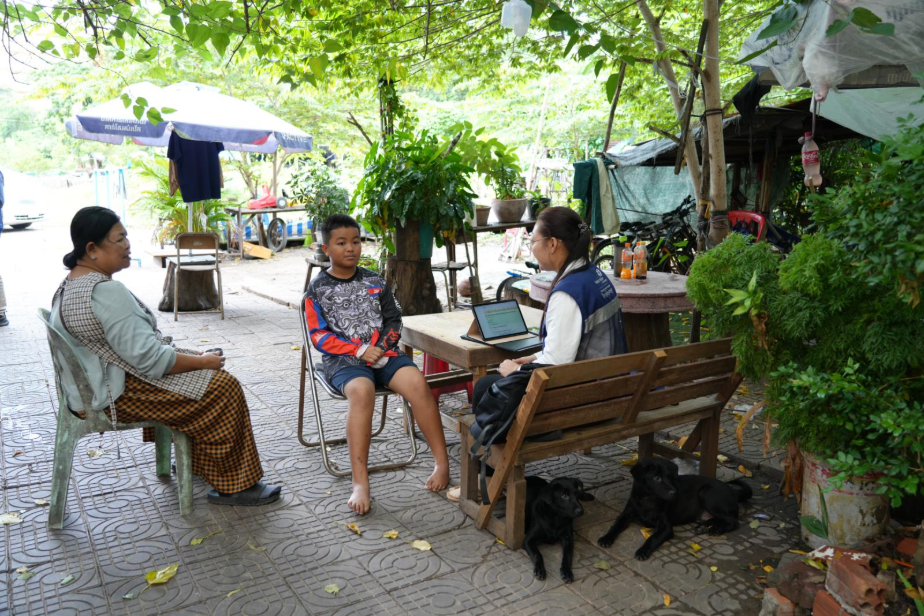
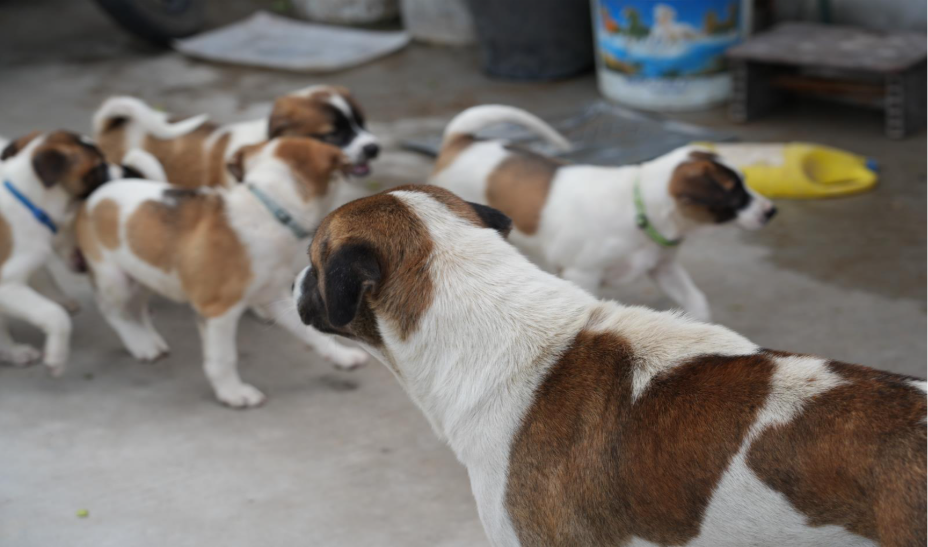
In parallel, qualitative interviews explored barriers to care, including distance, cost, awareness, cultural perceptions, and information gaps. These insights will guide future communication strategies and PEP access interventions.
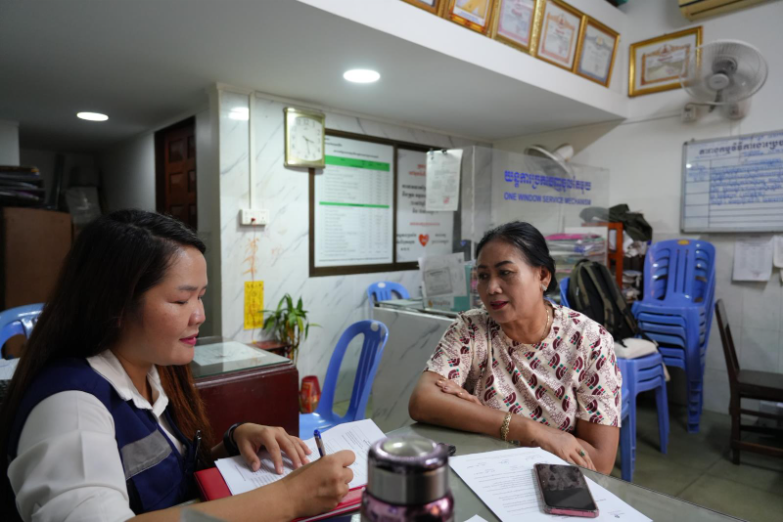
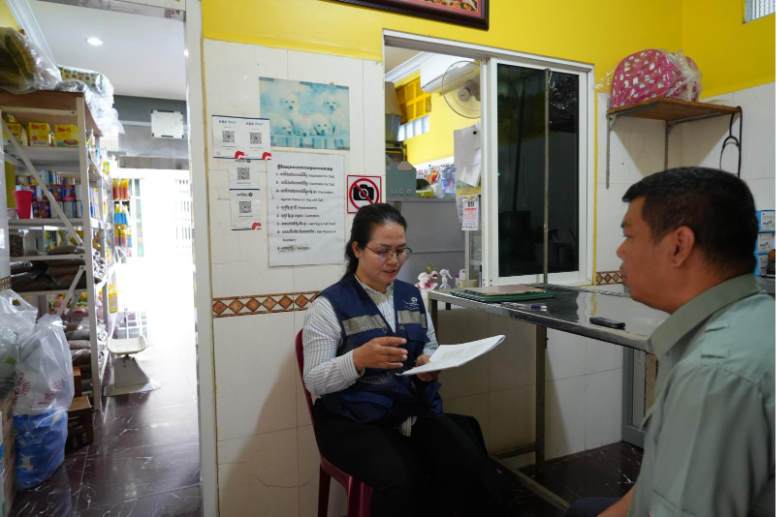
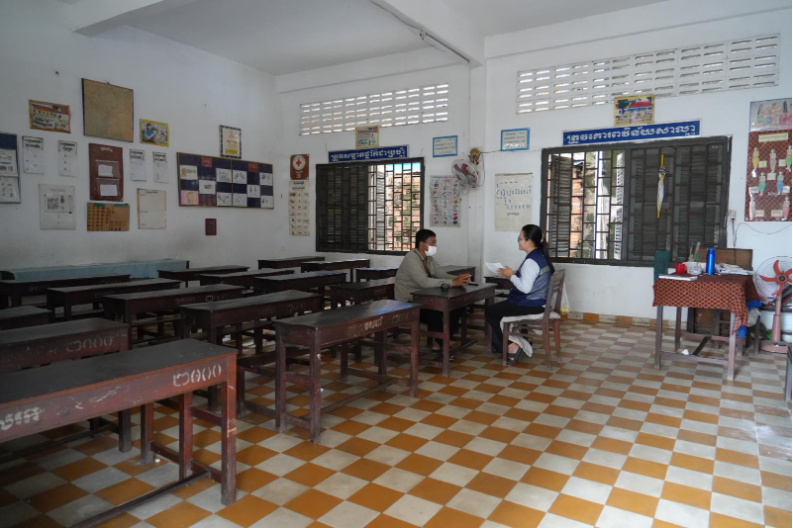
Although the survey was not designed as an awareness campaign, the team used opportunities to share simple rabies prevention messages and explain the importance of timely care after a bite.
Every evening ended with careful data review, validation, and planning for the next site, ensuring uniform quality and consistency across provinces.
The Epidemiology & Public Health Unit is now merging and analyzing the full dataset. Upcoming outputs include :
Preliminary findings will be shared on the VIRAGE website prior to scientific publications.