

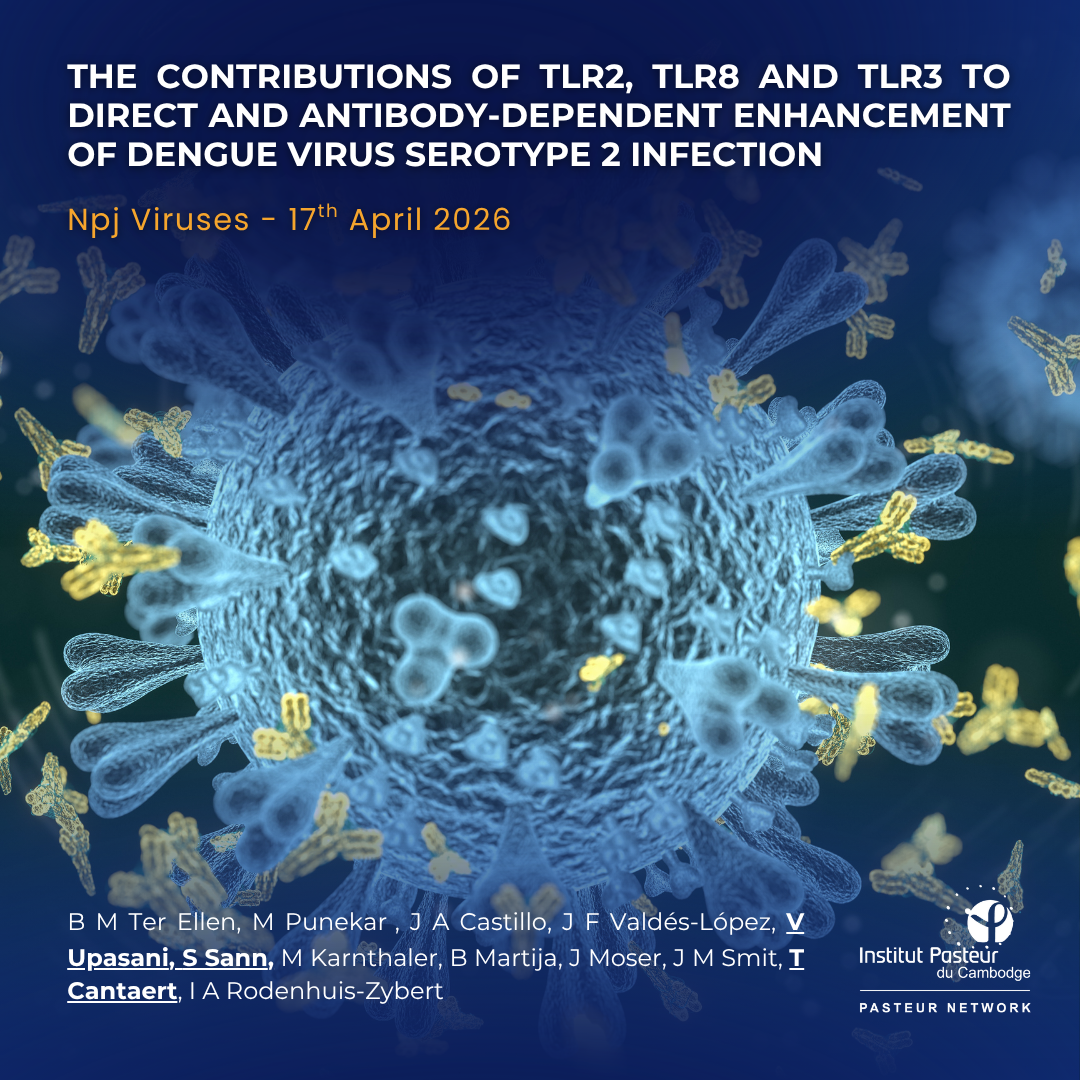
Immune Mechanisms in Dengue Infection and Severity
A recently published study has advanced our understanding of why second dengue infections can be more dangerous than the first.
When a person is infected with dengue more than once, the immune defenses built up from the first infection can sometimes backfire, actually helping the virus enter and infect immune cells rather than stopping it. This can trigger severe inflammation and damage to blood vessels. This study investigated the biological processes behind this dangerous response.
Key findings: A protein called TLR2 was found to be essential for the virus to enter immune cells when it was blocked, infection was prevented entirely. Several other proteins, including TLR8, TLR3, and SYK, were found to drive the harmful inflammation seen in severe cases. These findings point to several promising targets for new treatments aimed at preventing severe dengue
With around 400 million dengue infections occurring worldwide each year, understanding what drives severe disease is critical for developing better treatments and safer vaccines.
This research represents an important step forward in addressing one of the world’s most widespread infectious disease challenges.
Read article: https://www.nature.com/articles/s44298-026-00190-9