








Integrated Vigilance to Strengthen Management Actions and Eliminate Rabies in Cambodia (2025-2026)
Reducing the incidence of human rabies in Cambodia and contributing to the global goal of "Zero Deaths by 2023", through an integrated "One Health" approach
Lighting the Health of Tomorrow
Rabies, a neglected tropical disease, causes around 59,000 deaths worldwide each year, 59% of which occur in Asia, mainly affecting children under the age of 15. In Cambodia, the burden is notoriously underestimated, particularly in remote areas. This underestimation is often due to a lack of awareness and limited access to post-exposure prophylaxis (PEP). The VIRAGE (Vigilance Intégrée pour le Renforcement des Actions de Gestion et l'Élimination de la Rage) project is designed to overcome these obstacles. our main concern is to strengthen rabies surveillance and risk management by reinforcing the necessary health data, targeting interventions to protect the most vulnerable populations and accelerating the elimination of rabies.
The Project in Numbers ( Progress Dashboard)
Background: Why the VIRAGE study?
The VIRAGE study was designed to fill critical gaps identified in Cambodia:
- Generate national data on actual burden: A 2007 study by the Institut Pasteur du Cambodge estimated 810 human cases per year, but this figured was based on uniform assumptions about dog densities and bite incidence across the country, and on PEP distribution data from the IPC in Phnom Penh alone. In 2023, the Cap-Rage project, through a survey conducted in 1,000 public and private health centers, confirmed that the burden remained very high (5 annual cases per 100,00 inhabitants), suggesting limited access to PEP and weaknesses in the surveillance system.
- Overcoming the dog-centric approach: Most studies focus on dogs, but VIRAGE is breaking new ground by also assessing the role of cats and other species in rabies transmission in Cambodia.
- Understanding the human realities behind the numbers. The project integrates a strong social science dimension to analyze socio-behavioral factors, care pathways, and barriers (cognitive, geographic, cultural) to access to PEP so that recommendations and interventions are effective and culturally adapted.
- Innovation through technology and partnership: VIRAGE leverages technologies such as Machine Learning and Artificial Intelligence (in partnership with CADT) and strengthens cross-sector collaboration for a more effective response.
Our Approach : One Health
The project’s approach is based on an integrated, multidisciplinary “One Health” approach, which recognizes that human health, animal health and the environment are interconnected. Our methodology is based on four pillars:
- National survey covering over 4,000 households in 104 villages in Cambodia’s 25 provinces, totaling around 10,000 participants, to collect data on animal populations (dogs and cats), bite rates, and community knowledge, attitudes and practices.
- Socio-behavioral analysis via qualitative and quantitative interviews to understand barriers to access to PEP and care patheways.
- Capacity-building through the training of 2,500 human and animal health professionals and teachers, creating a network of trainers to ensure the sustainability of skills.
- Evaluation of public health interventions, including the long-term efficacy of the WHO-recommended three-dose PEP protocol, to provide scientific evidence to guide national and international policies.
Key objectives
The overall objective is to create a more effective and sustainable rabies management system in order to significantly reduce the incident of human rabies in Cambodia and contribute to the elimination of canine rabies deaths by 2030. Accordingly, the specific objectives are:
1. Strengthen rabies surveillance and risk management by mapping current population practices, reinforcing human and animal surveillance systems, and estimating the burden of the diseases in the different provinces.
2. Evaluate practices and the effectiveness of interventions by identifying access factors and the completeness of PEP, assessing the population’s knowledge, attitudes and practices (KAP), and measuring the effectiveness of the new vaccination protocol.
3. Provide training, capacity-building, awareness-raising and communication to health professionals, the general public and schoolchildren.
Our Activities
The project is structured into three interdependent components:
● C1 – Strengthening Rabies Surveillance and Risk Management: Developing effective, integrated rabies surveillance in Cambodia (Leaders: IPC, CDC-MoH, GDAHP-MAFF, CIRAD).
● C2 – Evaluation of Practices and Effectiveness of Interventions: Understand the practices and factors favoring access to post-exposure prophylaxis, as well as the evaluation of the effectiveness of rabies interventions in order to support decision-makers and health authorities in implementing effective rabies prevention and treatment strategies. (Leaders: IPC, CIRAD, CADT, RUA).
● C2 –Training, Capacity Building, Awareness and Communication: Raiseawareness of rabies-related risks among human and animal health professionals and the general public (Leaders: IPC, CIRAD, CDC-MoH, GDAHP-MAFF, SHD-MoEYS).
Progress and Results
Where We Work ?
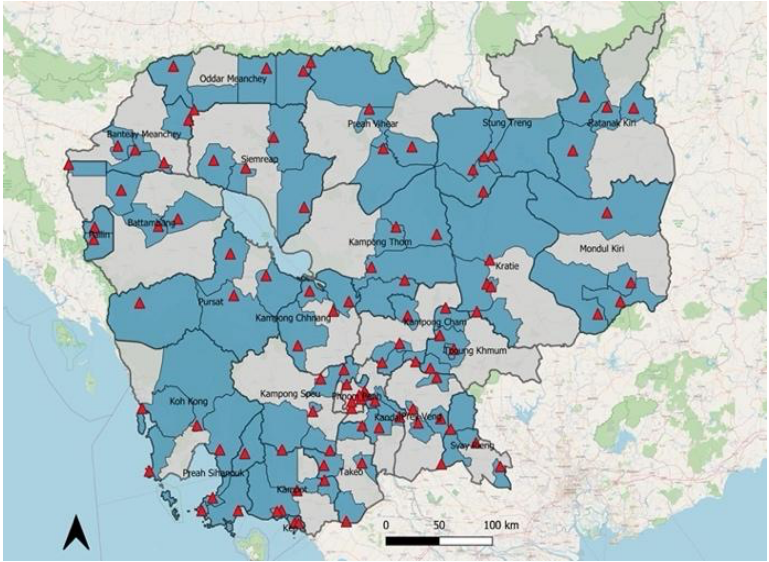
Appendix 1: Spatial distribution of selected villages (N=100), Cambodia, VIRAGE Study. Selected villages are represented by red triangles, and the selected districts are represented by blue spatial units, Epidemiology and Public Health Unit, IPC Cambodia.
A. Ethical Framework
The VIRAGE study is conducted under rigorous ethical standards. The study protocol of the national survey received formal approval from the National Ethics Committee for Health Research (NECHR), Ministry of Health of Cambodia (Approval No. 201, 2 May 2025). VIRAGE complies with national regulations and international best practices in research ethics and data protection.
B. Data Management
● All data collected is anonymized and stored securely in accordance with international data protection standards.
● Access to the data is restricted to authorized research personnel.
● Any data sharing with partners follows strict access agreements that maintain participant confidentiality.
C. Long-term Data Stewardship
Our commitment is to responsible data management beyond the project timeline, to ensure that valuable information remains accessible for future public health initiatives while protecting privacy.
A. Ethical Framework
● If I have questions, who can I get in touch with?
The project’s medical referent’s contact details are on the information page.
● What will the collected data be used for?
The data gathered during the KAP (Knowledge, Attitudes and Practices) survey will help us assess the population’s understanding of rabies, identify barriers to accessing post-exposure treatment, and estimate the bite rate as well as the dog and cat population. This information is crucial for developing effective prevention strategies and better understanding the burden of rabies in Cambodia.
Main Funder
Co-Funders
Partners


News & Updates

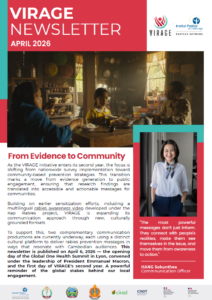
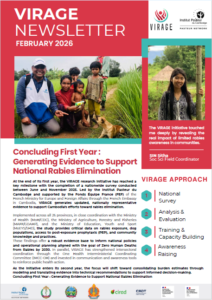
VIRAGE Newsletter April Issue
As VIRAGE enters its second year, the focus shifts from research to community engagement—transforming evidence into accessible rabies prevention messages through culturally grounded storytelling.
VIRAGE Newsletter February Issue
The VIRAGE project continues its work to strengthen rabies prevention in Cambodia through a One Health approach that integrates human, animal, and environmental health research.
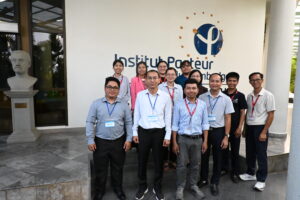
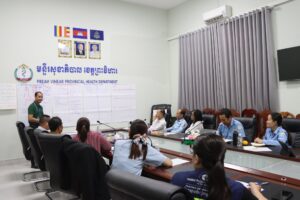
Focus Group Discussion (FGD) Training for the VIRAGE Research Study
[English Below] វិទ្យាស្ថានប៉ាស្ទ័រកម្ពុជា (IPC) សហការជាមួយ សាកលវិទ្យាល័យភូមិន្ទកសិកម្ម (RUA) និង បណ្ឌិត្យសភាបច្ចេកវិទ្យាឌីជីថលកម្ពុជា(CADT) បានរៀបចំវគ្គបណ្តុះបណ្តាលស្ដីពីវិធីសាស្ត្រការពិភាក្សាក្រុម FGD និងការថតសំឡេងដែលមានគុណភាពខ្ពស់ ជាផ្នែកមួយនៃការសិក្សា VIRAGE។ វគ្គបណ្តុះបណ្តាលនេះបានពង្រឹងជំនាញអ្នកសម្របសម្រួលក្នុងការប្រមូលទិន្នន័យបែបគុណវិស័យ បញ្ជាក់តួនាទីក្រុមការងារ និងធានាគុណភាពថតសំឡេងល្អបំផុតសម្រាប់ការចម្លងអត្ថបទ និងវិភាគទិន្នន័យបានត្រឹមត្រូវ។ ការពិភាក្សាក្រុមនាពេលខាងមុខ មានគោលបំណងស្វែងយល់អំពីកត្តាជំរុញ និងឧបសគ្គក្នុងការតាមដានជំងឺឆ្កែឆ្កួត និងទទួលសេវាថ្នាំបង្ការជំងឺឆ្កែឆ្គួតក្រោយសត្វខាំ (PEP)។ ចាប់ពីពាក់កណ្តាលខែមីនា ដល់ពាក់កណ្តាលខែឧសភា

VIRAGE Creative Production in Progress
VIRAGE Creative Production in Progress Filming took place last week as part of the VIRAGE study program’s community engagement activities.Rabies remains one of the deadliest

New Study on Rabies PEP Completion in Cambodia
[English Below] ការបោះពុម្ពផ្សាយអត្ថបទវិទ្យាសាស្រ្តថ្មី ទិន្នន័យទទួលបានពីអ្នកដែលបានមកទទួលថ្នាំបង្ការនៅមជ្ឈមណ្ឌលបង្ការជំងឺឆ្កែឆ្កួត នៃវិទ្យាស្ថានប៉ាស្ទ័រកម្ពុជា ចំនួនប្រមាណ 240,000 នាក់ ក្នុងរវាងឆ្នាំ 2019 និង 2022។ ការសិក្សានេះបានកំណត់កត្តាសំខាន់ៗនាំអោយទទួលថ្មាំបង្ការ PEP មិនបានគ្រប់ដូសពេញលេញ ដោយរំលេចនូវតួនាទីនៃ កត្តាភូមិសាស្រ្ត កត្តាប្រជាសាស្ត្រនិងសង្គម និងព្រឹត្តិការណ៍នាៗ ដូចជាការកំរិតការធ្វើដំណើរក្នុងបរិបទជំងឺ កូវីដ១៩ ជាដើម។ លទ្ធផលទាំងនេះផ្តល់នូវភស្តុតាងសំខាន់ៗ ដើម្បីអាចប៉ាន់ប្រមាណបន្ទុកនៃជំងឺឆ្កែឆ្កួត កំណត់ក្រុមប្រជាជនដែលមានហានិភ័យខ្ពស់

VIRAGE National Survey Completes Data Collection Across 25 Provinces
VIRAGE National Survey Completes Data Collection Across 25 Provinces 1st Dec 2025 Over the past three months (mid-August to mid-November), the VIRAGE (Integrated Vigilance