Annual Liaison Council of the Institut Pasteur du Cambodge (IPC) – 2026
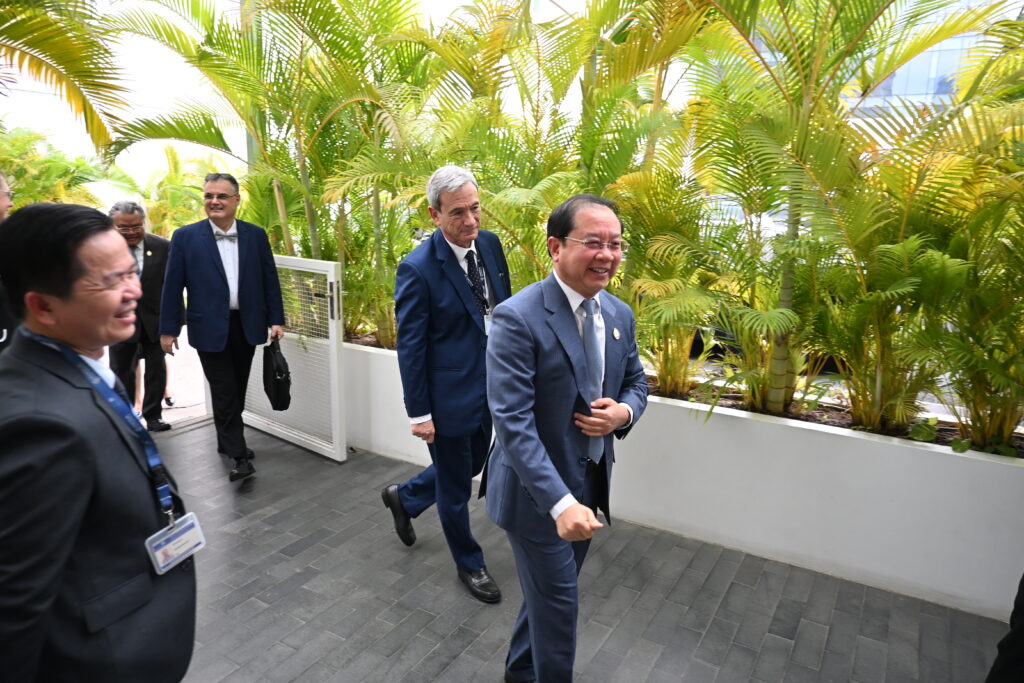
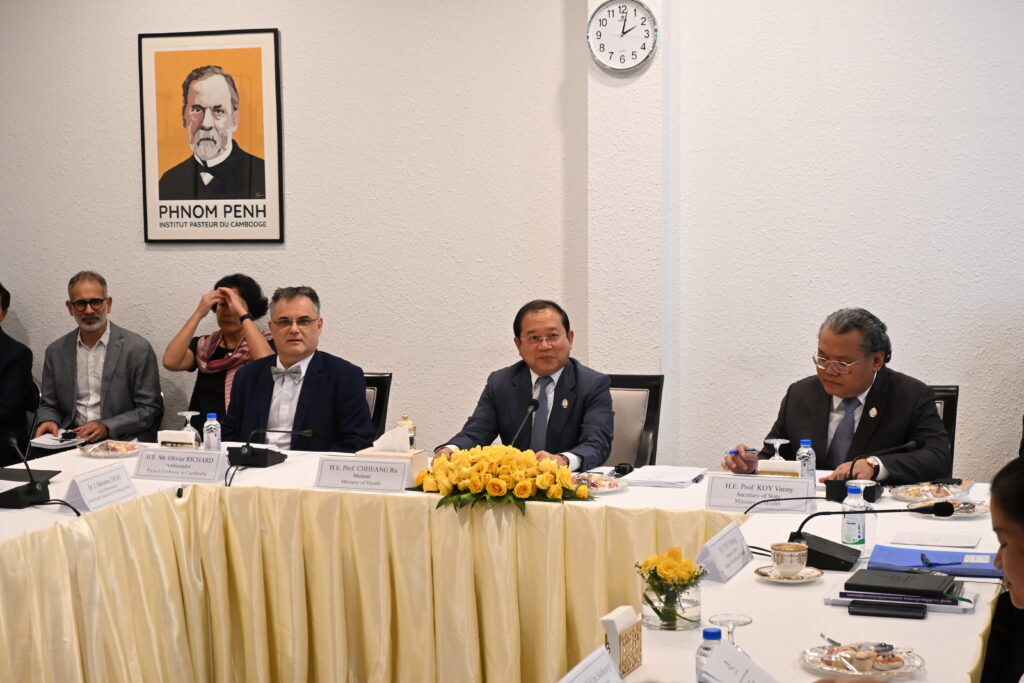
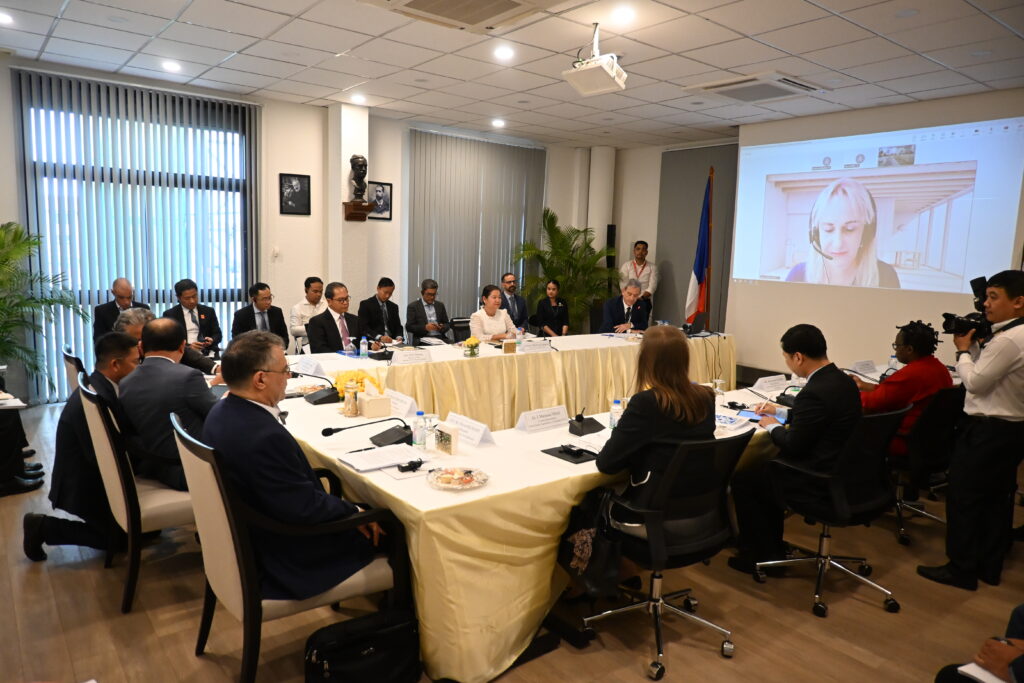
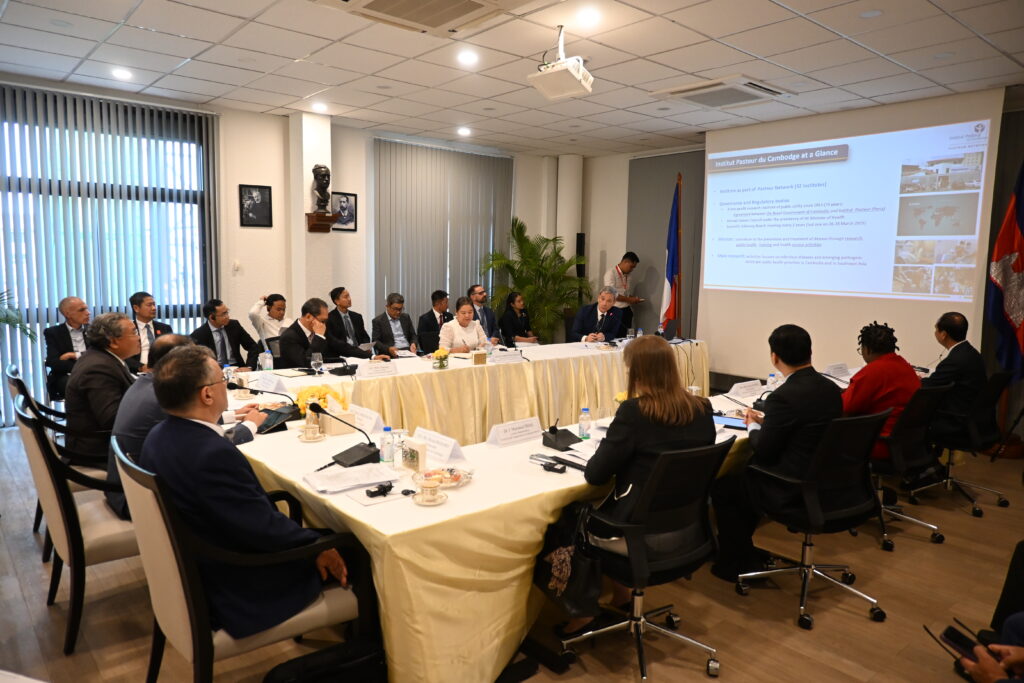
On Friday, June 19, 2026, the Institut Pasteur du Cambodge (IPC) held its annual Liaison Council to review its activities for 2025 and consider future prospects.
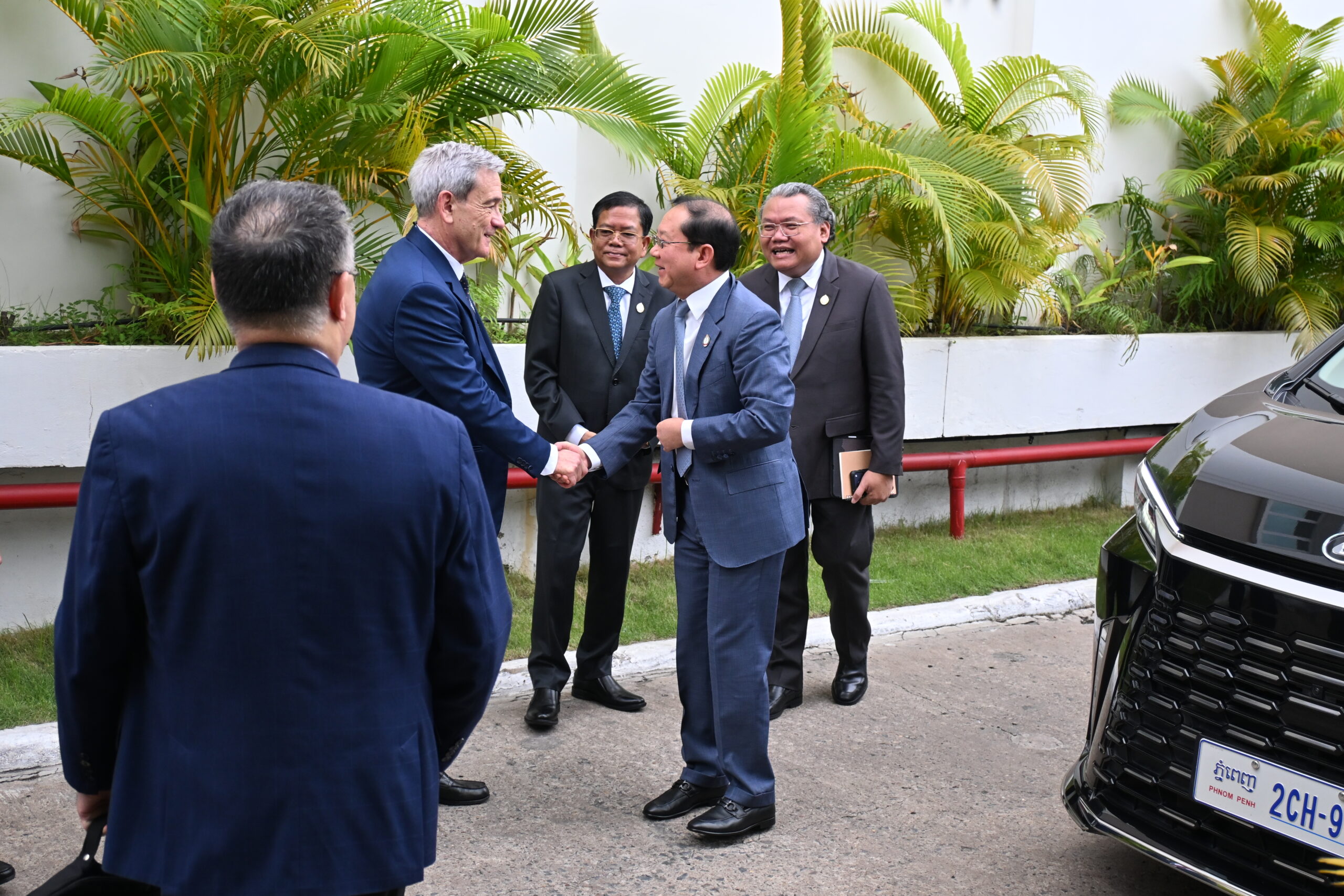
This year’s council was chaired by His Excellency Professor Chheang Ra, Minister of Health of the Kingdom of Cambodia, and brought together leading figures representing various ministries (Ministry of Economy and Finances, Ministry of Education, Youth and Sports), universities (UHS, RUPP), the Institut Pasteur de Paris, the French Ambassador to Cambodia, WHO, and UNICEF. Representatives from Calmette Hospital, Kantha Bopha Hospital, NIPH, CNM, AFD, and IRD were also present as invited partners.
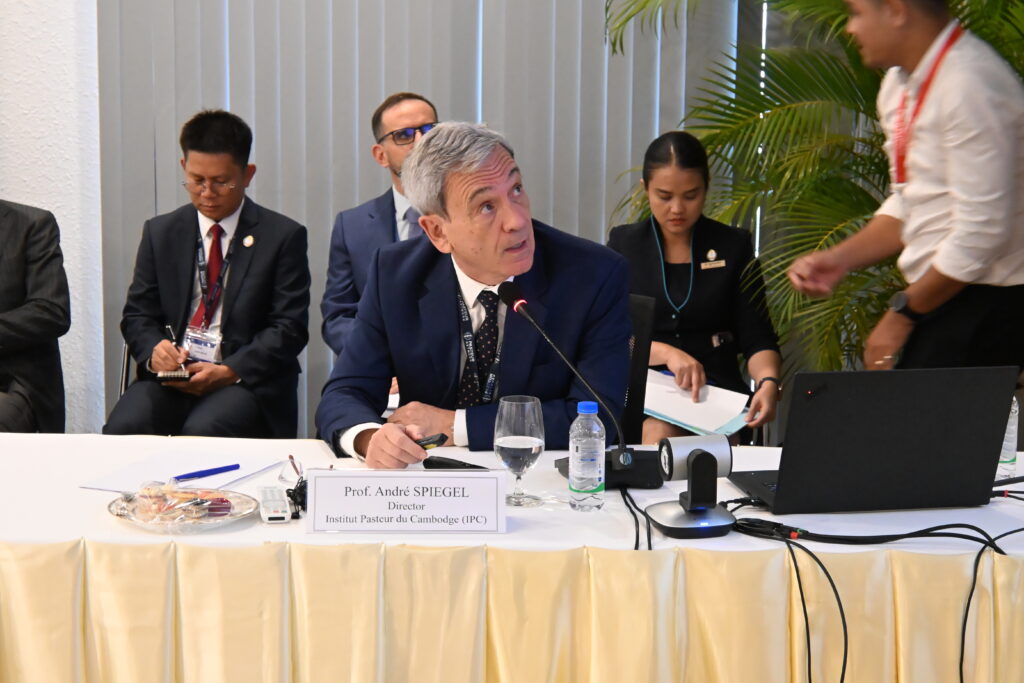
Prof. André Spiegel emphasized IPC’s commitment to disease prevention and treatment through research, public health initiatives, training, and health services. He discussed IPC’s ongoing work on infectious diseases such as dengue, human and avian influenza, rabies, and malaria.
The presentation focused on several large-scale, multidisciplinary projects dedicated to zoonotic or emerging infectious diseases and addressed through a One Health approach. These projects rely on IPC’s multidisciplinary teams, as well as on its Cambodian and international partners. They include, in particular, RACSMEI, ECOMORE, VIRAGE, AFRICAM and SEA-ROADS. He also highlighted IPC’s role in providing rabies post-exposure prophylaxis to 60,200 individuals last year.
The presentation underlined the importance placed on building the capacity of IPC’s young Cambodian scientists through a structured effort to identify talent, active support for doctoral training — with eight Cambodian PhD students enrolled in 2025 and two Cambodian students having successfully defended their theses during the year — as well as the support provided to young scientists expected to progressively take over key scientific roles at IPC. This momentum was notably reflected in the integration of two young Cambodian researchers into the Institute’s scientific staff.
The prospects and challenges of the IPC in the coming years were also presented and discussed with the members of the Council.
Each year, the comments, suggestions, and advice of the members of the Liaison Council continue to prove invaluable and useful for the Institute’s development.