Risk Assessment Community Spread Multiple Endemic Infectious Pathogens - An Operational Model for the "One Health" Approach (2025-2030)
Illuminating infectious risks in Cambodia for targeted public health interventions, through an integrated Human-Animal-Environment approach
Lighting the Health of Tomorrow
In many low- and middle-income countries (LMICs) like Cambodia, the lack of health data is a major obstacle to the implementation of effective health policies to reduce the high burden of infectious diseases. Existing research is often fragmented, specific to a single pathogen or limited to high-risk populations, offering an incomplete view of transmission dynamics. The RACSMEI (Risk Assessment of Community Spread of Multiple Endemic Infectious Diseases) research initiative, which translates as "light" in Khmer, is a national epidemiological study designed to overcome these limitations. Our ambition is to provide the robust data needed for Precision Public Health: optimized, targeted and culturally appropriate interventions, based on an understanding of risks at multiple scales.
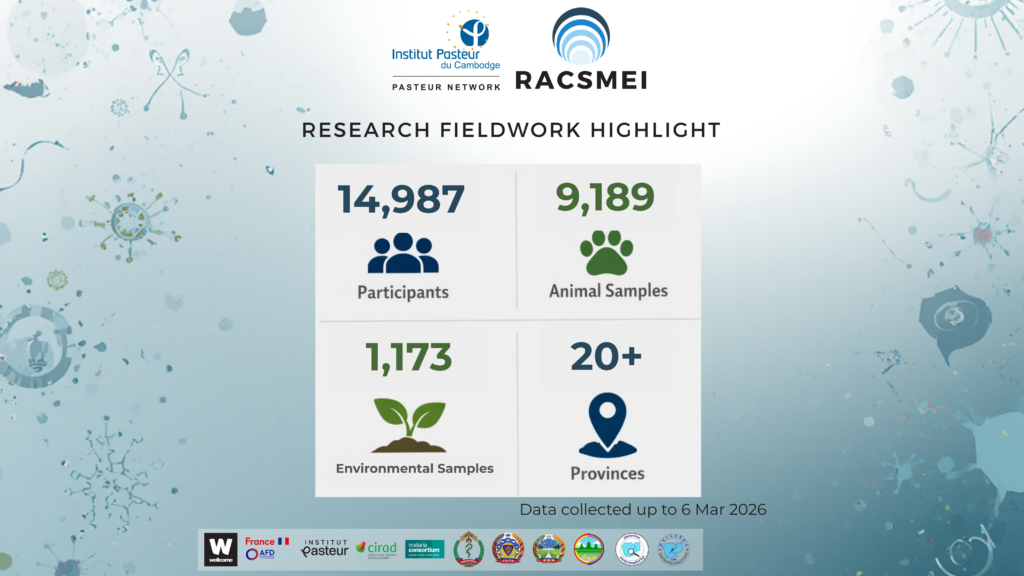
The Project in Numbers
A. Background: Why the RACSMEI project?
To move from a siloed view of infectious risks to an accurate, actionable national mapping. The RACSMEI project was specifically designed to overcome four major gaps in current research in Cambodia:
- Moving beyond pathogen-specific data. Existing studies offer a fragmented view of risk. Although the circulation of pathogens such as dengue fever, Japanese encephalitis or avian influenza is known, comprehensive epidemiological data on their burden on a national scale are scarce.
- Breaking down “silo” approaches. In a country where almost half of all households depend on agriculture for their livelihood, human-animal-environment interactions are at the heart of disease transmission.
- Generate nationally representative data. Rather than relying on “convenience samples” or focusing on specific areas, RACSMEI implements a random sampling plan covering more than 100 villages spread over the 25 provinces to obtain an accurate picture of the health situation.
- Understanding the human realities behind the figures. RACSMEI is based on a strong social science and community engagement dimension. Through qualitative interviews and focus groups, we explore representations of risk, prevention and care to develop culturally appropriate and relevant recommendations.
B. Our Approach : One Health
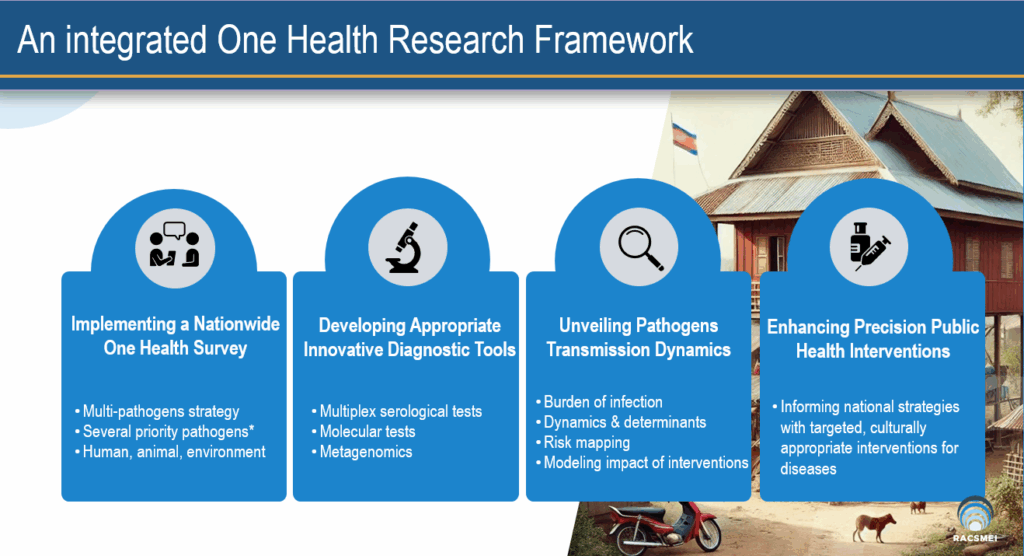
The project’s approach is based on an integrated, multidisciplinary One Health framework. This methodology combines field investigation on a scale unprecedented in Cambodia with state-of-the-art laboratory analysis and modeling, drawing on the latest innovations.
Our methodology is based on four pillars
- National survey covering 4,160 households in 104 villages in Cambodia’s 25 provinces, totaling around 10,000 participants, which aim to collect socio-demographic, environmental and clinical data.
- Multi-pathogen laboratory analyses including human, animal and environmental samples to assess pathogen circulation at the One Health interface.
- Statistical and mathematical modeling to identify risk factors, create detailed risk maps and assess the impact of future interventions.
- Community engagement via interviews and focus groups to understand local perceptions of health risks.
C. Key objectives
To better understand burden, transmission dynamics and determinants of exposure associated to several endemic and emerging infectious diseases in Cambodia.
1. Assessing burden, spatiotemporal distribution of zoonotic & vector-borne diseases in human & animal populations
a. Analyzing transmission drivers at the individual, household and community levels.
2. Reconstructing historical transmission dynamics to assess past outbreaks;
a. Studying the presence and diversity of pathogens in the environment;
b. Exploring individual and collective representations about perceived risks, disease prevention and control;
c. Expanding the scope of the investigation including vaccine-preventable diseases, emerging infections and elimination-targeted diseases in order to support integrated surveillance and control strategies.
3. Establishing a national biobank for long-term surveillance, molecular characterization and future research
4. Our Activities
The work of the project is structured in six interrelated components (Work Packages – WP):
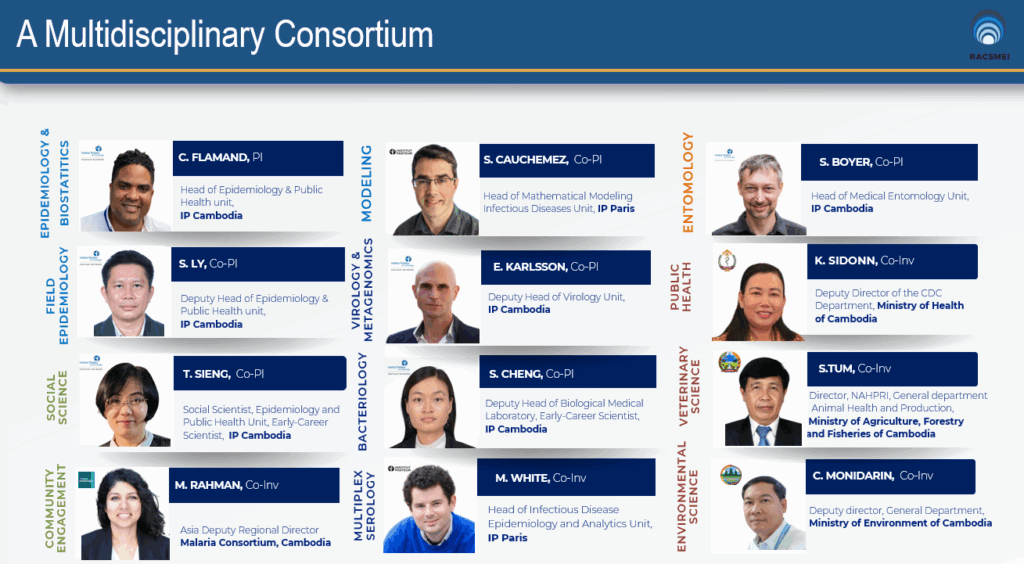
● WP1 – Population Surveys: Design and implementation of the national survey to collect data and samples from 10,000 human participants, as well as on animals and the environment. (Leaders: Dr Claude FLAMAND, Dr LY Sowath, Dr Téphanie SiENG)
Field Engagement & Participant Information Tools
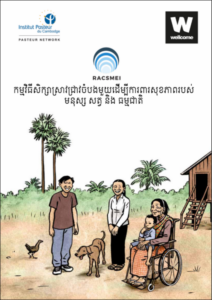
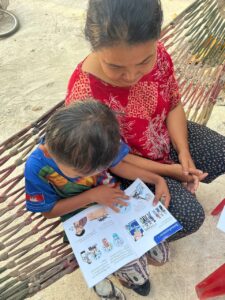
To support field implementation and ensure clear communication with study participants, the RACSMEI project has developed complementary information tools, including a comic booklet and an animated video. These materials are used by field teams during household visits to explain the study objectives, procedures, and participant involvement in an accessible and culturally appropriate manner.
Comic booklet – Understanding the RACSMEI study
A visual guide used by field teams to introduce the study during household visits.
Animated video – Introducing RACSMEI
A short animated video supporting field teams in explaining the study objectives and procedures to participants during household visits.
● WP2 – Laboratory & Multi-Pathogen Serology: Analysis of biological samples using state-of-the-art technologies such as multiplex immunoassays (MIAs) to detect antibodies against dozens of pathogens simultaneously. (Responsables : Dr Erik KARLSSON, Dr Sokleaph CHENG, Dr Michael WHITE)
● WP3 – Risk Analysis, Modeling & Mapping: Statistical analysis of data to identify risk factors, mathematical modeling to reconstruct transmission dynamics and creation of accurate risk maps. (Leaders: Dr Claude FLAMAND, Pr Simon CAUCHEMEZ).
● WP4 – Community Engagement & Communication: Conduct qualitative interviews, organize workshops and feedback sessions with communities to co-develop appropriate prevention strategies. (Coordinators: Dr. Téphanie SIENG, Ms. Melanie HUBAULT)
● WP5 – Capacity Building & Training: Training of Cambodian researchers and students and technology transfer, such as Luminex trials, to strengthen local capacities in monitoring and research. (Leads: All co-applicants)
● WP6 – Intervention Directions: Translating research findings into concrete, evidence-based recommendations for public health authorities to guide targeted interventions (vaccination, vector control, etc.) (Responsables : Dr Krang Sidonn, Dr Tum Sothyra, Pr Chou Monidarin)
5. Progress and Results
A. Where We Work ?
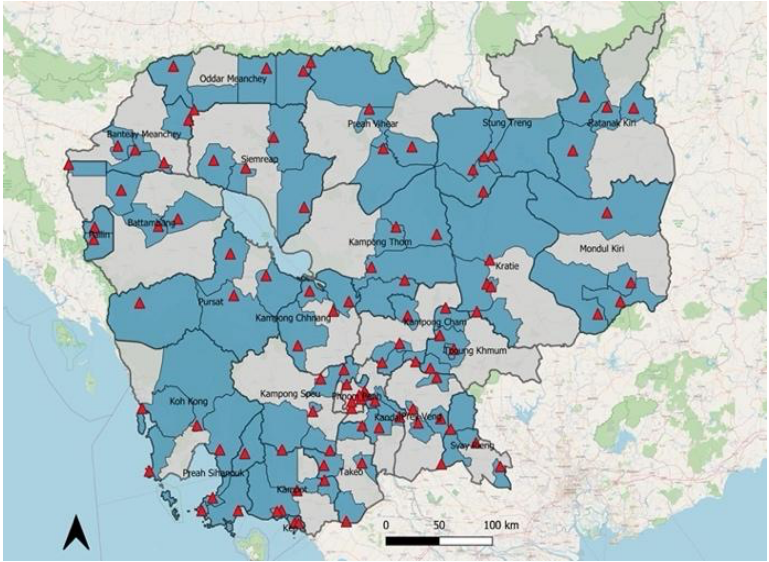
Appendix 1: Spatial distribution of selected villages (N=100), Cambodia, RACSMEI Study. Selected villages are represented by red triangles, and the selected districts are represented by blue spatial units, Epidemiology and Public Health Unit, IPC Cambodia.
B. Publications, Protocols and Open Resources
– Study Protocol
– Scientifc Publications
The results of the study will be published in peer-reviewed and open-access scientific journals. This section will be updated as publications are made.
A. Ethical Framework
Ethical framework. RACSMEI adheres to national regulations and international best practices in research ethics, participant protection, animal welfare, and data governance.
Ethics approvals. The study protocol received approval from the National Ethics Committee for Health Research (NECHR – 2025 N°199 / 359), Ministry of Health, Cambodia, and from the Institutional Review Board (IRB IRB2025-02) of the Institut Pasteur (France). The animal-sampling approach was also reviewed by the UK National Centre for the Replacement, Refinement & Reduction of Animals in Research (NC3Rs) as part of the grant submission.
Data protection. All human data will be collected with informed consent and handled under strict confidentiality. Data are used solely for approved research purposes and retained/shared only in line with ethics approvals and applicable laws.
Animal welfare. Field procedures follow recognised welfare standards, with trained personnel, minimal handling, and protocols designed to reduce, refine, and replace animal use where possible.
Governance & oversight. RACSMEI operates under documented SOPs, audit trails, and a data-access process that requires prior approval. Any protocol amendments or reportable events are notified to the relevant ethics bodies.
Consent of Participants Participation is entirely voluntary. A rigorous informed consent process is in place, including a preliminary information visit, the provision of written materials (fact sheet, illustrated booklet) and the use of video materials to facilitate understanding.
B. Data Management
● All data collected is anonymized and stored securely in accordance with international data protection standards.
● Access to the data is restricted to authorized research personnel.
● Any data sharing with partners follows strict access agreements that maintain participant confidentiality.
C. Long-term Data Stewardship
Our commitment is to responsible data management beyond the project timeline, to ensure that valuable information remains accessible for future public health initiatives while protecting privacy.
A. Ethical Framework
● If I have questions, who can I get in touch with?
The project’s medical referent’s contact details are on your information page.
● After the research, what happens to my samples?
If you agree, your biological samples will be securely stored in the biobank of the Institut Pasteur du Cambodge for use in future studies of infectious diseases. Access is morally allowed and strictly restricted.
● Will my test results be sent to me?
Individual results will not be shared because these tests are intended for population-level studies rather than for clinical diagnosis. This is explained in detail in the info sheet.
Main Funder
Co-Funders
Partners


Latest News

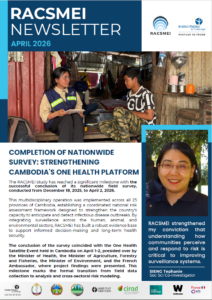
RASCMEI Newsletter April Issue
RACSMEI has completed its nationwide field survey across all 25 provinces (Dec 2025 – Apr 2026), marking a key step toward strengthening Cambodia’s capacity to
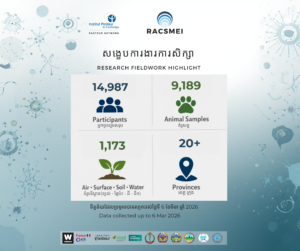
RACSMEI Fieldwork Enters Final Phase
[English below] សេចក្តីសង្ខេបការងារគម្រោងសិក្សា RACSMEI ក្រុមការងារគម្រោង RACSMEI កំពុងឈានចូល ដំណាក់កាលចុងក្រោយនៃការប្រមូលទិន្នន័យ ដោយបានបញ្ចប់ ជាង 8០% នៃគោលដៅសិក្សា នៅទូទាំងប្រទេសកម្ពុជា។ រហូតមកដល់ពេលថ្មីៗនេះ ក្រុមការងារបានចុះប្រមូលទិន្នន័យសរុបចំនួនជាង ២០ ខេត្ត ដែលរួមមាន៖ អ្នកចូលរួមសរុប 14,987 នាក់ សំណាកពីសត្វសរុប 9,189 សំណាកពីបរិស្ថានសរុប
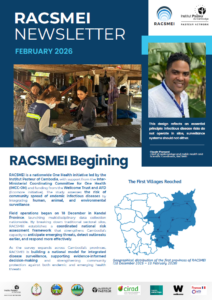
RASCMEI Newsletter February 2026
The RACSMEI study aims to improve understanding of infectious diseases in Cambodia through a nationwide One Health research approach that integrates human, animal, and environmental
RACSMEI Fieldwork Begins: First Cycle of Data Collection Underway
[English Below] ចាប់ផ្តើមអនុវត្តការសិក្សាស្រាវជ្រាវ RACSMEI៖ វគ្គដំបូងនៃការប្រមូលទិន្នន័យកំពុងផ្ដើមដំណើរការ ការសិក្សាស្រាវជ្រាវ RACSMEI កំពុងចាប់ផ្ដើមប្រមូលទិន្នន័យជំហានដំបូង ដោយចាប់ផ្តើមពីខេត្តកណ្ដាល។ ដំណាក់កាលប្រមូលទិន្នន័យថ្នាក់ជាតិនេះ នឹងបន្តអនុវត្តរយៈពេលប្រហែលបួនខែទៅមុខទៀត។ ការសិក្សាស្រាវជ្រាវ RACSMEI ត្រូវបានចាត់ទុកថា ជាការសិក្សាស្រាវជ្រាវ “សុខភាពតែមួយ” ដ៏សំខាន់មួយ ដែលមានទំហំធំ និងអនុវត្តលើទូទាំងប្រទេសកម្ពុជា ហើយក៏ស្ថិតក្នុងចំណោមការសិក្សា “សុខភាពតែមួយ” សម្រាប់តំណាងជាតិនៅកម្រិតអន្តរជាតិផងដែរ។ ការសិក្សានេះត្រូវបានរចនាឡើង
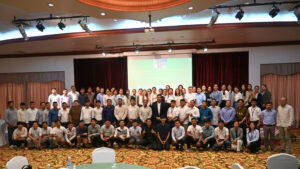
RACSMEI Fieldwork Update: Readiness Completed
សកម្មភាពរៀបចំចុះប្រមូលទិន្នន័យ សម្រាប់ការសិក្សាស្រាវជ្រាវ RACSMEI បន្ទាប់ពីបញ្ចប់ការស្ទង់មតិដែលបានធ្វើឡើងនៅខែវិច្ឆិកា ក្រុមការងារ RACSMEI រួមមានផ្នែកមន្ទីរពិសោធន៍ ក្រុមចុះសហគមន៍ និងក្រុមអ្នកសម្របសម្រួល បានធ្វើការយ៉ាងជិតស្និទ្ធ ដើម្បីធានាបាននូវការត្រៀមខ្លួនរួចរាល់ សម្រាប់អនុវត្តការសិក្សាស្រាវជ្រាវRACSMEI (អក្សរកាត់នេះ មានន័យថា ការវាយតម្លៃហានិភ័យ នៃការរីករាលដាលក្នុងសហគមន៍នៃជំងឺឆ្លងច្រើនប្រភេទ ក្នុងទស្សនវិស័យសុខភាពតែមួយ)។ សម្ភារៈសម្រាប់យកសំណាក និងឯកសារផ្សេងៗ បានរៀបចំរួចរាល់។ ក្រុមចុះសហគមន៍ក៏បានបញ្ចប់វគ្គបណ្តុះបណ្តាលស្តីអំពីដំណើរការផ្តល់ព័ត៌មាន ការសុំការយល់ព្រម ការប្រមូលទិន្នន័យ ការយកសំណាកមនុស្ស សត្វ និងបរិស្ថានផងដែរ។ស្របគ្នានេះ
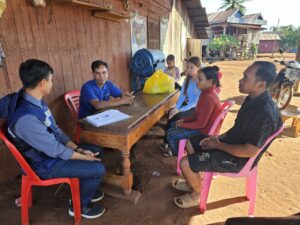
𝐏𝐫𝐞-𝐬𝐮𝐫𝐯𝐞𝐲 𝐯𝐢𝐬𝐢𝐭 𝐭𝐨 𝐬𝐞𝐥𝐞𝐜𝐭𝐞𝐝 𝐯𝐢𝐥𝐥𝐚𝐠𝐞 — 𝐑𝐀𝐂𝐒𝐌𝐄𝐈 𝐬𝐭𝐮𝐝𝐲
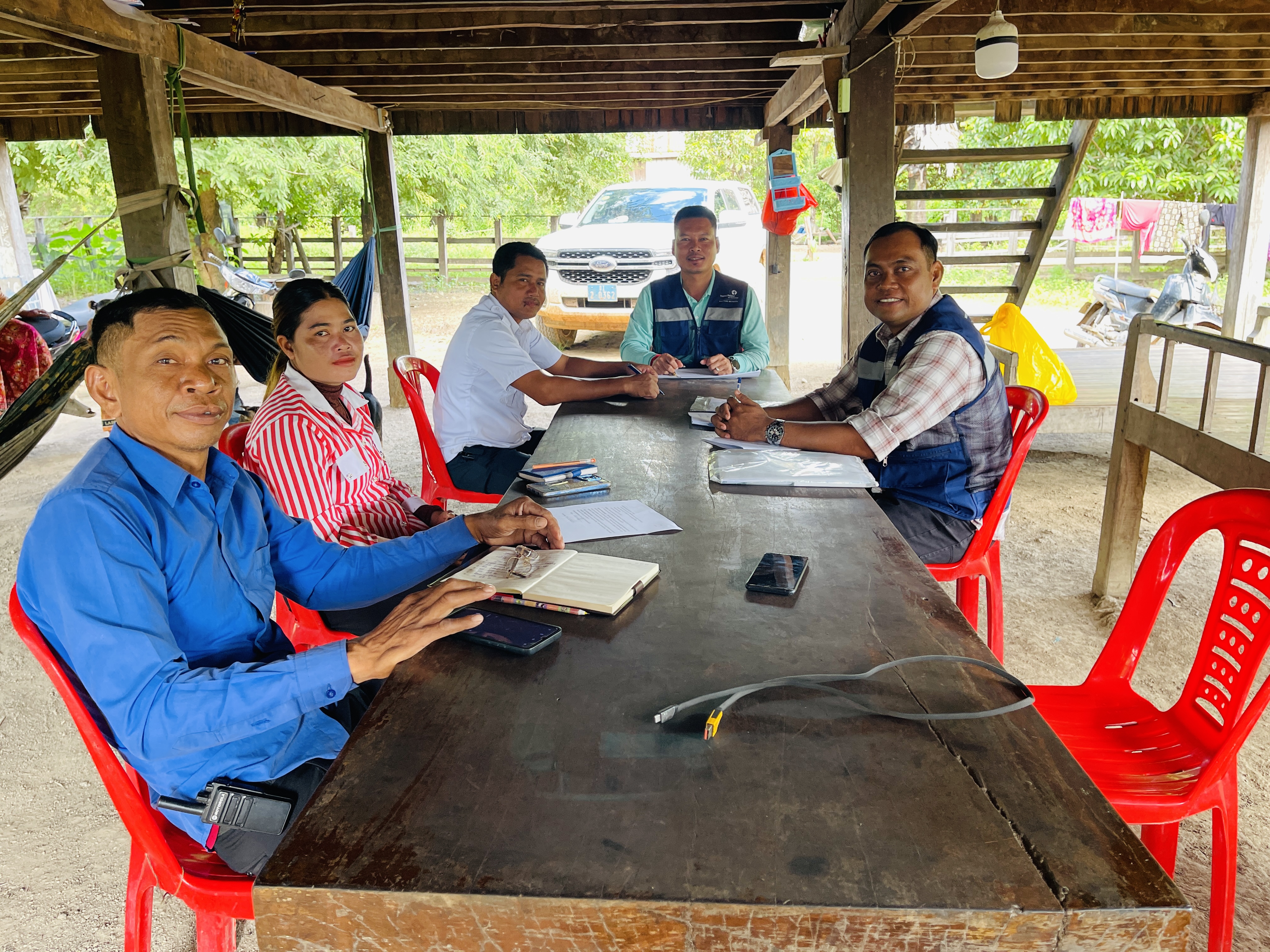
Pre-survey visit to selected villages, RACSMEI Study [English Below] ទស្សនកិច្ចតាមភូមិដែលបានជ្រើសរើស ត្រៀមអនុវត្តការសិក្សា 𝐑𝐀𝐂𝐒𝐌𝐄𝐈 ក្រុមការងារផ្នែកអេពីដេមីសាស្រ្ត និងសុខភាពសាធារណៈ នៃវិទ្យាស្ថានប៉ាស្ទ័រកម្ពុជា កំពុងធ្វើទស្សនកិច្ចតាមភូមិចំនួន ១០៤ ដែលបានជ្រើសរើស ដើម្បីរៀបចំចុះអនុវត្តការសិក្សា RACSMEI (អក្សរកាត់នេះ មានន័យថា ការវាយតម្លៃហានិភ័យ នៃការរីករាលដាលក្នុងសហគមន៍នៃជំងឺឆ្លងច្រើនប្រភេទ ក្នុងទស្សនវិស័យសុខភាពតែមួយ)។